The University launched the UK’s first undergraduate Ecological Science degree in 1966. Since then, it has educated generations of scientists tackling some of the world’s biggest environmental challenges.
More than 1,850 students have graduated from ecological science and related programmes over the past six decades.
Graduates have built careers in conservation, environmental consultancy, sustainability, research, policy and international development. They use and apply their expertise to protect ecosystems and help communities adapt to a changing planet.
A programme built around the natural world
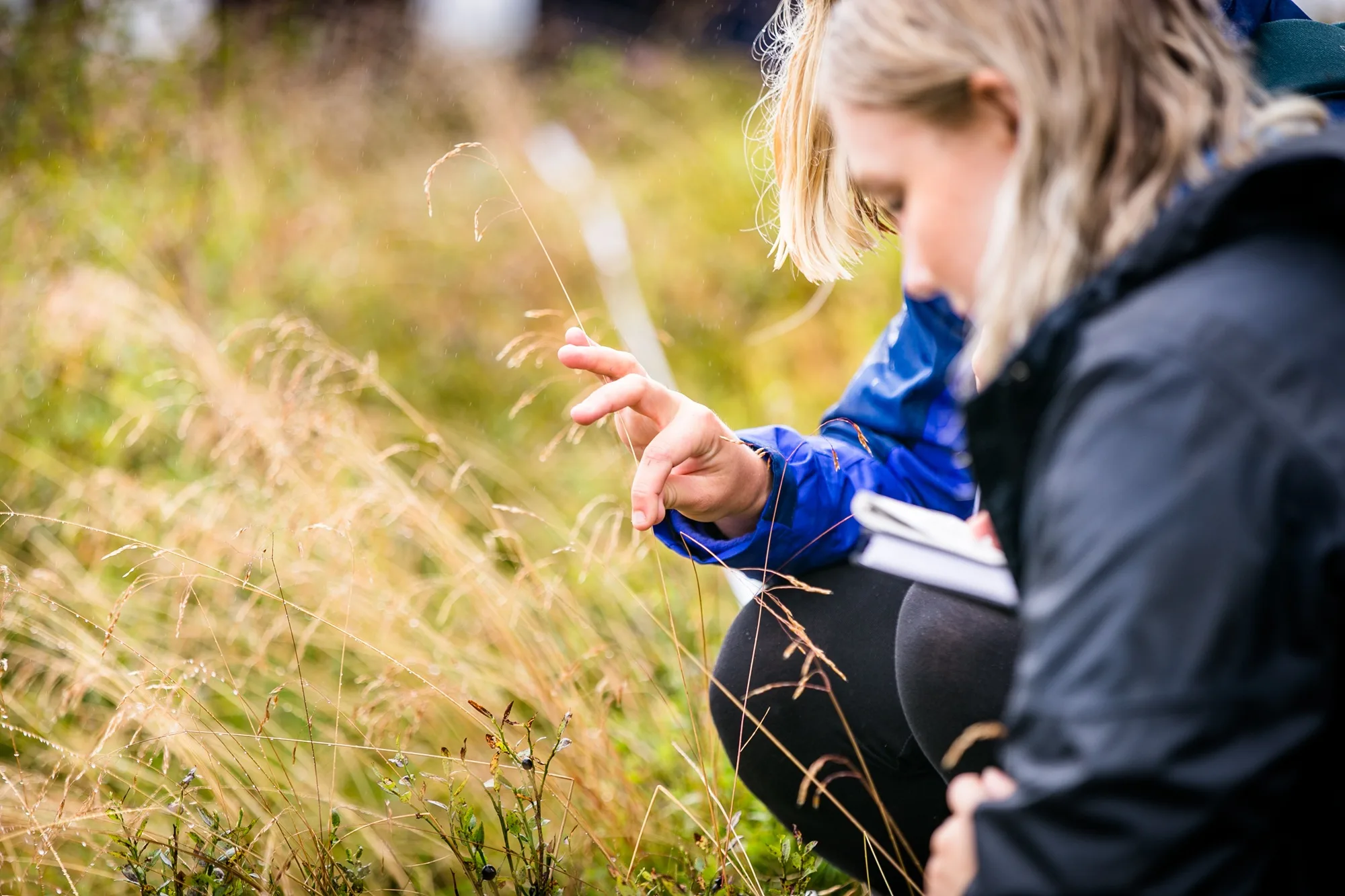
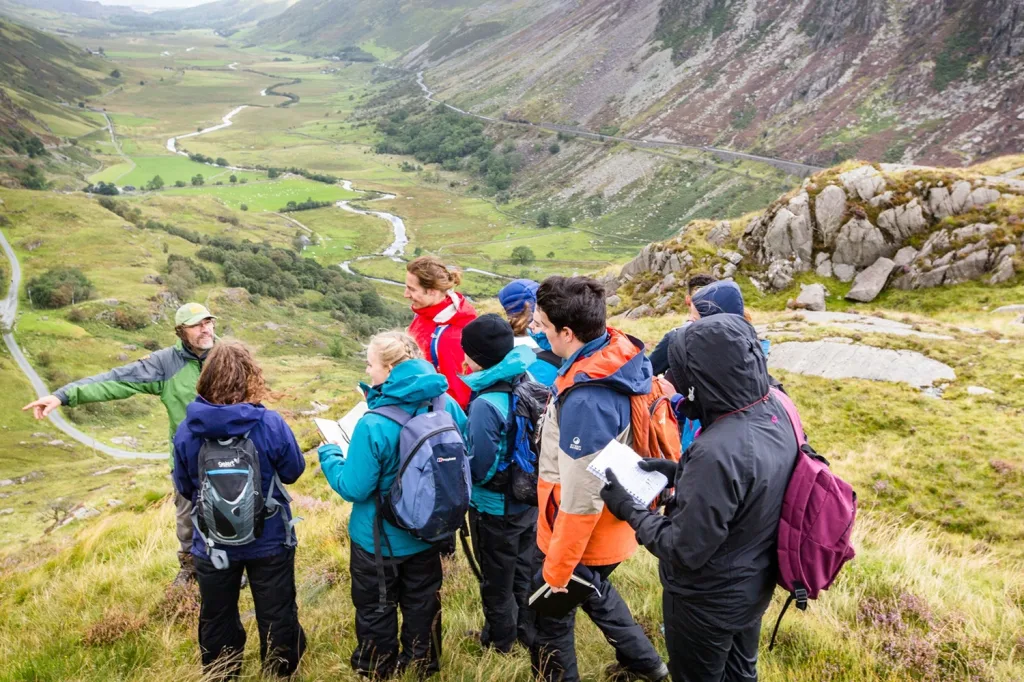
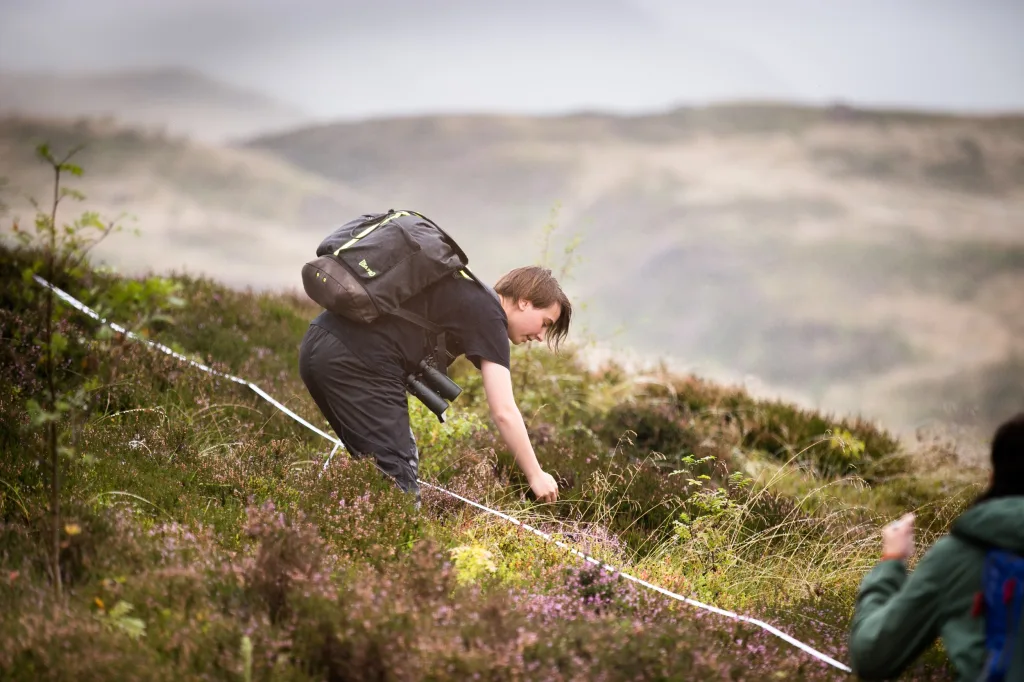
From the beginning, Edinburgh’s approach has combined teaching with extensive fieldwork. This approach enables students to investigate ecosystems first-hand and develop the analytical and practical skills that employers increasingly value.
That philosophy remains central to the programme today. Students explore environments ranging from Scottish forests and peatlands, to rivers, coastlines and mountains, connecting classroom theory with real-world observation and research.
As environmental challenges have evolved over the past 60 years, so too has the programme.
Today’s students investigate some of the world’s most pressing environmental issues through an ecological sciences lens, exploring how biodiversity, climate, soils, water and human activity are interconnected.
By combining ecology with environmental science, students are developing the knowledge and practical skills needed to understand complex natural systems and identify sustainable solutions.
Their research reflects this breadth, with dissertation projects ranging from elephant ecology in African savannahs to developing sustainable seaweed-based plastics.
Learning from researchers at the forefront of their fields
Students are taught by researchers whose work is helping to answer some of the biggest environmental questions of our time.
Professor Bryne Ngwenya, Head of the School of GeoSciences, believes that combination of world-leading research and practical learning is what makes the School’s degrees distinctive.
“I’m immensely proud that the School of GeoSciences hosts the pioneering ecological sciences degree programmes,” says Professor Ngwenya. “As the first to be established in the UK, our students are taught critical thinking, fieldwork and data analysis from active researchers in the ecological and environmental sciences.”
Research-led teaching also means students become part of a wider community tackling global environmental issues. This includes initiatives such as the Edinburgh Earth Initiative and the Centre for Sustainable Forests and Landscapes.
A community that spans generations
One of the programme’s greatest strengths is the community it has created.
Over the past 60 years, graduates of our ecology science degrees have gone on to build careers across the globe.
Distinguished alumni include the late astronaut and climate scientist Piers Sellers. After graduating in 1976, Sellers went on to fly three Space Shuttle missions. He spent more than 559 hours in space, including time aboard the International Space Station.
Alongside his remarkable career as an astronaut, Sellers was a pioneering climate scientist. His work helped lay the foundations of modern climate modelling and advanced knowledge of Earth’s changing climate. His scientific legacy continues to influence climate research and inspire future generations of environmental scientists.
Despite his international achievements, Sellers remained closely connected to the University. During a 2006 Space Shuttle mission, he took a velvet University crest into space with him.
Looking to the future
The environmental challenges facing the world today are arguably greater than those faced by the programme’s first students in 1966.
Climate change, biodiversity loss, pollution and pressures on natural resources demand scientists who can work across disciplines and translate research into practical action.
For 60 years, Edinburgh has been educating graduates to do exactly that.
Combining scientific excellence, field experiences and a collaborative community, the programmes continue to inspire students to understand, protect and restore the natural world.
Third-year student Mako Shibata describes ecological scientists as “Earth doctors”.
“I often think of Ecological and Environmental Sciences as training ‘Earth doctors’ — people who learn to observe, diagnose and predict interactions between organisms, ecosystems and Earth’s spheres,” explains Mako. “Through a combination of fieldwork and computational skills, the programme teaches us to use the right tools for the right questions, depending on their scale and context.”
Ecology is only one part of a much bigger picture
Today, the School of GeoSciences brings together expertise spanning ecology, Earth sciences, geography, geophysics and environmental geoscience.
Students and researchers work across these disciplines to understand how our planet functions, how societies interact with the environment and how evidence can inform solutions to global challenges.
Whether investigating biodiversity decline, mapping climate change, studying Earth’s geological history, managing natural resources or helping communities build resilience to environmental change, there is one key committment: understanding our changing planet and helping shape a more sustainable future.
As the School looks ahead, the same pioneering spirit that established the UK’s first ecology degree continues to drive discovery, collaboration and new generations of graduates equipped to tackle some of the defining challenges of the twenty-first century.
Discover more
(Image credit: School of GeoSciences)