Content warning: discussion of suicide and self-harm. If you’re struggling, Samaritans are available 24/7 on 116 123 (UK & ROI). For an international helpline, see: find a helpline
For three decades, Professor Michael Eddleston has been at the forefront of global efforts to prevent deaths from acute poisoning – particularly from highly hazardous pesticides. What began as a medical student posting in Sri Lanka evolved into a body of work that has helped reshape public health policy, contributing to dramatic reductions in suicide rates across multiple countries. In this interview, he reflects on the moments that shaped his career, the lessons learned from frontline medicine, and the ongoing challenge of turning evidence into global action.
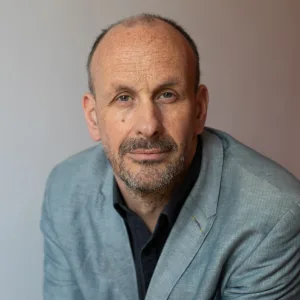
Your journey began in Sri Lanka in 1995. Can you describe when you first realised pesticide poisoning was a major global health crisis and how that shaped your work?
I went to Sri Lanka in 1995 to work on snakebites with Professors David Warrell and Rezvi Sheriff. But there were no rains, and therefore very few snakebites. Instead, I found wards full of patients with poisoning – initially from oleander seeds, which became my early focus.
But alongside that, I kept seeing a steady stream of patients with pesticide poisoning. It was striking, and when I looked at the literature, there was almost nothing framing it as a public health problem, aside from a few papers from one Sri Lankan clinician (J Jeyaratnam) in the 1980s suggesting it might be a global crisis.
Over the next few years, reflecting on what I had seen, it became clear that this was not a local anomaly but a widespread, under-recognised problem. That realisation shaped the direction of my career.
People often assume suicide attempts reflect a clear desire to die. Your research suggests something more complex. What role does access to highly toxic pesticides play in moments of distress?
Many people experience moments of distress in which they think about self-harm, but those thoughts are often fleeting. When distress lasts longer, people may act, and many tend to use whatever means are immediately available.
That’s where access becomes critical. In rural parts of Asia, highly toxic pesticides are often stored in the home. If someone reaches for them in a moment of crisis, the outcome is frequently fatal. In contrast, in countries like the UK, people are more likely to take medicines, which are generally less toxic and for which we have effective treatments.
Suicide is not just about intent; it’s about the interaction between intent and lethality. If the most accessible method is highly lethal, more people will die. Many acts of self-harm are not driven by a fixed desire to die, but by distress, anger, or a need to communicate. Changing the lethality of available means can save lives without necessarily changing underlying distress.
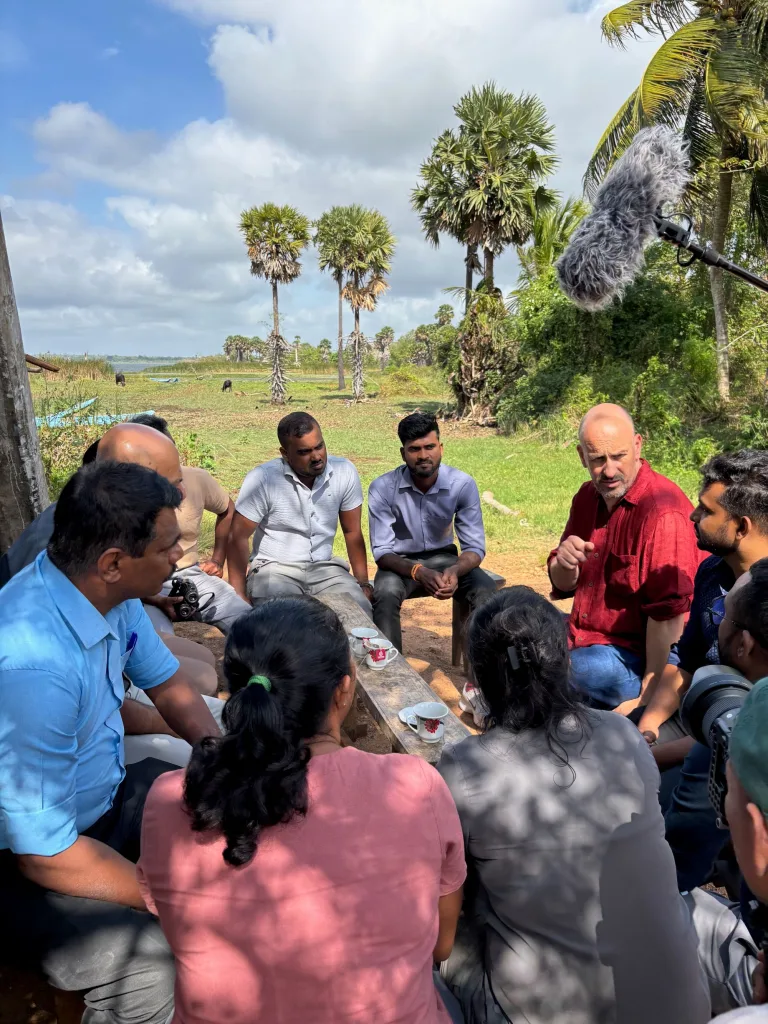
In the early years, you focused on improving clinical care. What were the biggest challenges, and what breakthroughs made a difference?
As a clinician, my instinct was to improve treatment. But with pesticide poisoning, that’s extremely difficult. These poisons act very quickly. By the time patients reach hospital, the outcome is often already determined.
If the dose was small or the pesticide less toxic, patients tend to recover. If it was highly toxic, the poisoning is often too advanced for treatment to reverse. In some cases, harmful interventions – like inappropriate gastric procedures – made things worse.
There has been one major clinical advance: the use of atropine, given rapidly and titrated carefully to the patient’s response. This approach, tested rigorously by colleagues in Bangladesh, has significantly improved survival. But overall, treatment alone cannot solve the problem. Prevention is far more effective.
When medicine proved insufficient, you turned to prevention. How did collaboration with Sri Lankan regulators lead to major pesticide bans and falling suicide rates?
It became clear that we needed to stop patients arriving at hospital in such a critical state. That meant working upstream, with regulators.
In Sri Lanka, I began collaborating with the pesticide regulator in the early 2000s. By analysing hospital data, we identified a small number of highly hazardous pesticides responsible for a disproportionate number of deaths. When we presented this evidence, the regulator was willing to act, phasing out those chemicals and promoting safer alternatives.
Sri Lanka had already taken steps in earlier decades, but these targeted bans had a particularly strong impact. Each time the most toxic pesticides were removed, deaths fell dramatically. Importantly, rates of self-harm did not necessarily decline but far fewer people died.
Sri Lanka’s suicide rate fell by around 70 per cent between 1995 and 2015. What lessons can other countries take from this?
The key lesson is “means restriction.” If you reduce access to the most lethal methods, you reduce deaths, even if underlying distress remains.
This approach has been replicated elsewhere. In China, for example, restrictions on highly hazardous pesticides contributed to a dramatic fall in suicide deaths – from around 180,000 per year in the mid-1990s to roughly 30,000 today.
Crucially, these changes do not harm agricultural productivity. There are effective alternatives, both chemical and non-chemical. The idea that highly toxic pesticides are essential is simply not supported by the evidence.
You founded the Centre for Pesticide Suicide Prevention in 2017. What prompted its creation, and how has it scaled globally?
Until that point, much of my work focused on research rather than implementation. We had evidence, but we weren’t consistently translating it into policy.
With support from the effective altruism community, we were able to secure funding to work directly with governments. The centre started very small, but grew as we demonstrated impact.
Our model is to support countries that want to act but lack data or technical capacity, helping them identify the most hazardous pesticides and replace them with safer alternatives. We now work with dozens of countries across Asia, Africa, and beyond, supporting regulatory change at scale.
You also co-lead research on acute poisoning more broadly. How are these efforts advancing treatment, particularly in vulnerable communities?
My broader focus is on preventing premature deaths from all forms of acute poisoning. One major area is methanol poisoning, which often occurs when illicit or poorly produced alcohol is contaminated. Methanol poisoning is seriously neglected, often affecting the poorest of the poor.
Methanol poisoning is difficult to diagnose, as it mimics other conditions. A key innovation by my colleague Professor Knut Erik Hovda has been the development of a simple point-of-care test, which allows rapid diagnosis. If clinicians can identify methanol early, they can treat it effectively and save lives.
We’re also exploring ways to bring treatment closer to patients. For example, using auto-injectors to deliver antidotes in rural settings before patients reach hospital. These approaches combine clinical innovation with community-based implementation.
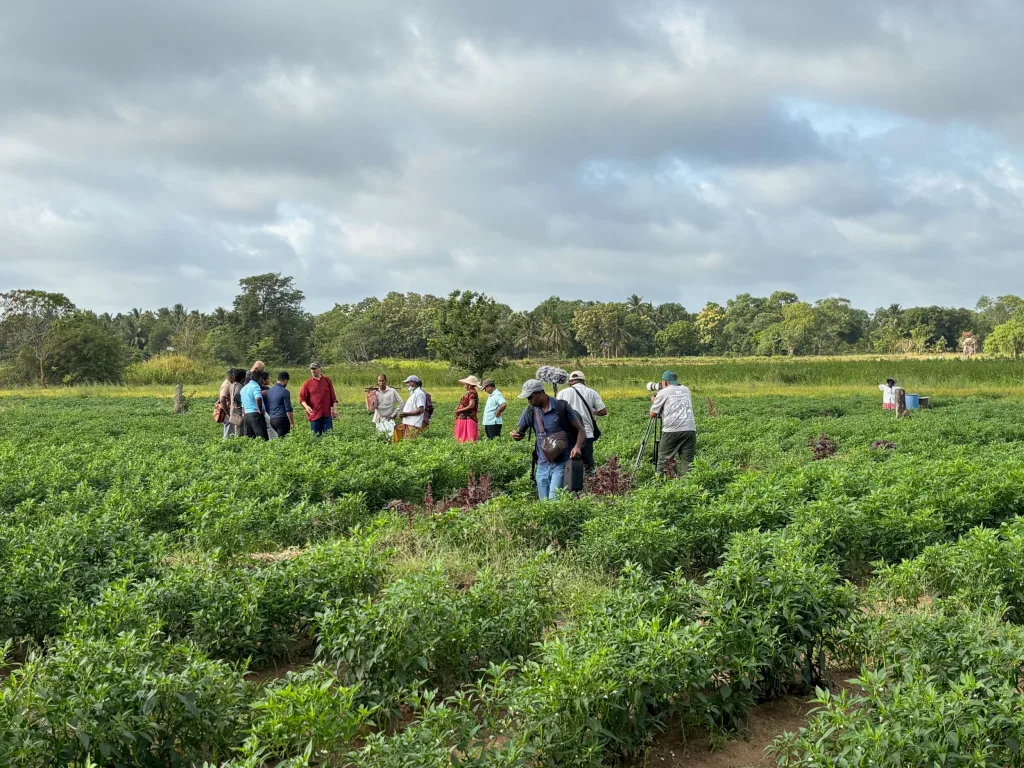
As a practicing clinician, how does frontline experience continue to shape your research and policy work?
It shapes everything. I still see patients regularly, and every research question ultimately comes from clinical experience.
I encounter a patient, I see a problem, and I ask: how could this be improved? That might lead to a clinical trial, a new treatment approach, or a policy intervention. The link between bedside and research is constant.
Looking back on three decades of impact, what motivates you and what advice would you give to young researchers?
What motivates me is very simple: stopping people dying unnecessarily. I’ve seen too many young people die in front of their families, often because of a brief crisis and access to a highly lethal poison.
For young researchers, I’d say: choose an important problem. Work on something that really matters, and approach it from multiple angles with strong collaborators. Be ambitious in your thinking and clear in your writing. If you can define the problem well and show how it can be solved, you can drive real change.
Discover more about Professor Michael Eddleston’s work
Image credits: Featured image by Pramote Polyamate. All others by Heshani Sothiraj Eddleston.