
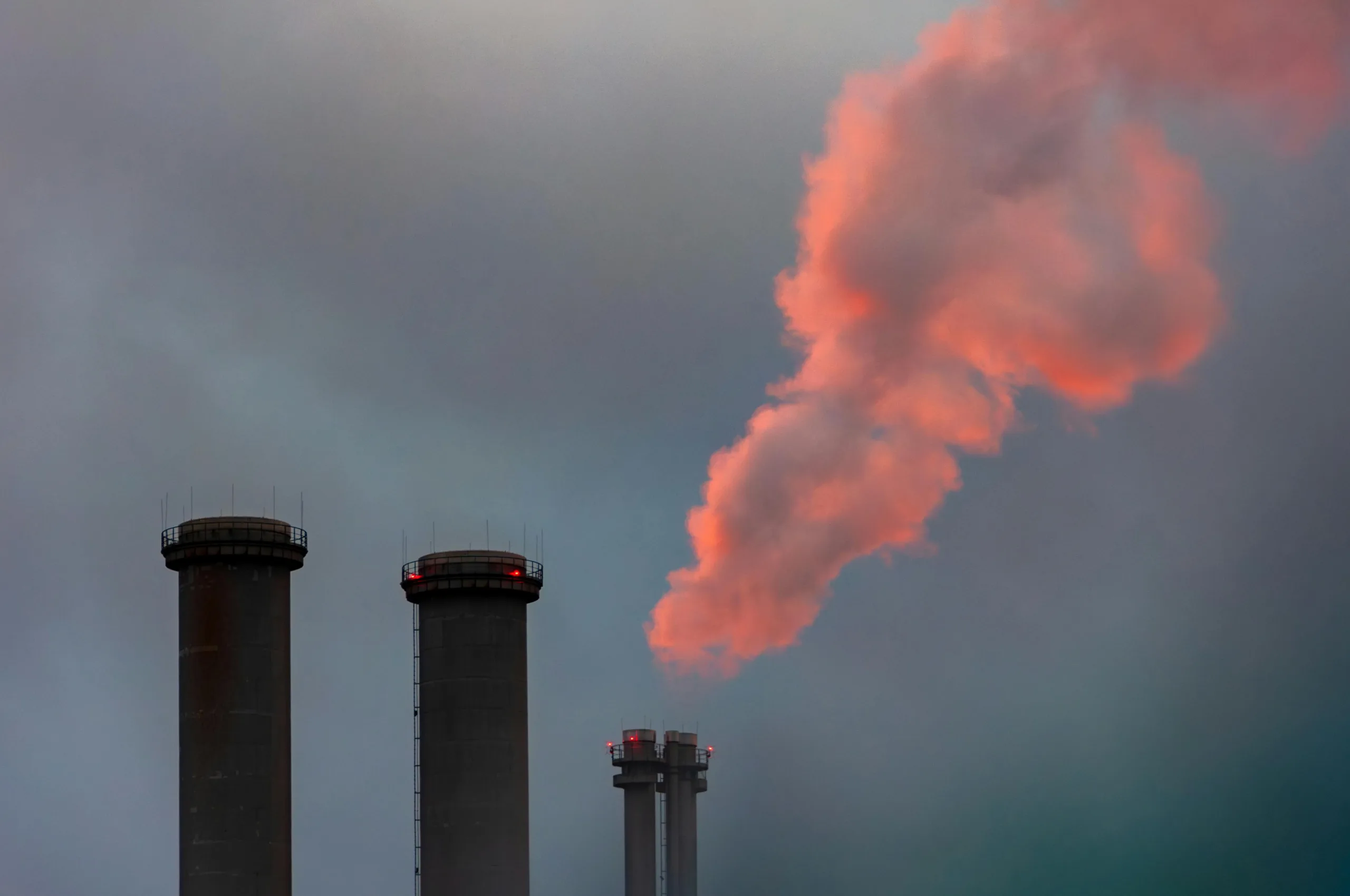
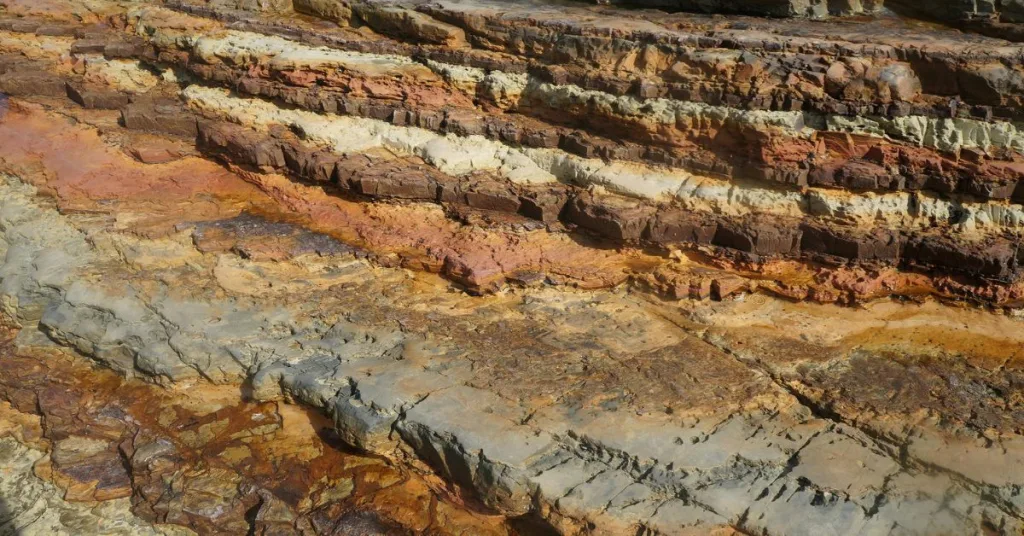
Without the broad adoption of CO2 sequestration, none of the widely recognised climate scenarios can meet the goal expressed in the Paris Agreement of keeping warming to 1.5 degrees Celsius over pre-industrial levels. We must either capture large volumes of CO2 at the point of emission before it reaches the atmosphere or harvest it from the atmosphere. The only possible engineered storage location for CO2 at the required scale is in the intergranular pore space of rocks deep in the Earth’s subsurface.
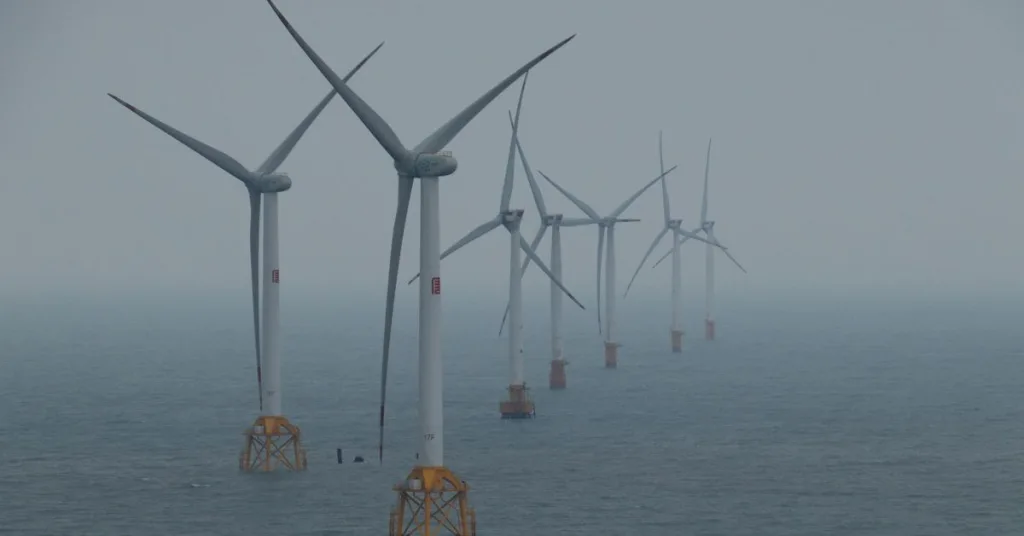
Additional pathways to transition to carbon emission-free transport at the point of motion include using sustainably-charged electric batteries, or the widespread adoption of hydrogen as an alternative to fossil fuels. Renewable electric power can separate hydrogen from oxygen in water. This becomes particularly attractive when intermittent energy farms generate huge amounts of electricity intermittently, but are not connected to electricity grids. The separated hydrogen stores the potential to use that energy elsewhere and at later times. However, it is also necessary to inject this hydrogen into subterranean reservoirs to store it at a suitable scale before collection or use. Therefore, a crucial part of the infrastructure required to fulfil current emissions limits is the capacity to store gases such as hydrogen and CO2 in liquid form in the Earth’s subsurface.
Subsurface storage
Many countries store methane in subsurface reservoirs. This has led to significant development of expertise over the past 70 years. CO2 and hydrogen differ chemically from methane and have unique flow properties through rocks. Yet, technologies from the hydrocarbon sector are transferable for large-scale storage.
Despite substantial investment, monitoring and verification issues still hinder development of subsurface fluid storage. Regulators typically require registration of modelled fluid movement scenarios before establishing a storage site. These forecasts are then checked during the actual injection, using geophysical methods to interrogate the subsurface. Any significant deviation from the storage plan may require altered monitoring, injection rates, or initiate remedial actions.
Issues with underground gas
The general problems are twofold. First, people commonly regard CO2 as a waste product with little current value. CO2 storage will only generate value by reducing the emissions of activities that would otherwise emit the gas to the atmosphere. Therefore, monitoring and verification of stored CO2 over vast areas must be cost-effective, a niche previously often overlooked by the hydrocarbons industry. Second, since subsurface imaging and monitoring are fraught with technical difficulties, scenarios can only be verified to a certain level of confidence. Yet this level turns out to be extremely difficult to calculate, which renders verification itself an uncertain endeavour.
Therefore, we must ensure that we attribute sufficient value to stored CO2. This value comes from other activities whose gas emissions are captured and stored, and which would otherwise have to be curtailed to meet the targets of the Paris Agreement. It is important to devote attention to the development of accepted methodologies that provide robust and reliable, cost-effective verification over large spatial scales. And more large-scale projects must be planned. Developers must move projects for which they have already conducted initial subsurface tests into larger-scale developments without unnecessary delay. We must then ensure that we disburse the experience gained in storage, monitoring and verification globally. This will ensure the security of storage sites worldwide and prevent stored CO2 from ever reaching the atmosphere.
University’s approach to underground gas
The University of Edinburgh designs cost-effective monitoring systems to ensure gases are stored securely in subsurface reservoirs. University academics develop the science of uncertainty assessment and risk analysis used for making decisions about whether and how to develop particular subsurface stores, and to assess conformance with pre-injection expectations. Researchers have assessed the potential volumes of offshore storage reservoirs across the North Sea and elsewhere around the UK. Research into Hydrogen storage and natural Hydrogen reservoirs is advancing toward secure and cost-effective Hydrogen facilities and storage supplies. Through Scottish Carbon Capture and Storage, University academics provide research and advice to businesses, industry, the public, regulators, and policymakers to advance CO2 storage projects worldwide.
Image credits: Featured image by Wal; offshore wind farm by Gong Qianlan and Earth’s subsurface by Dung Nguyen


