
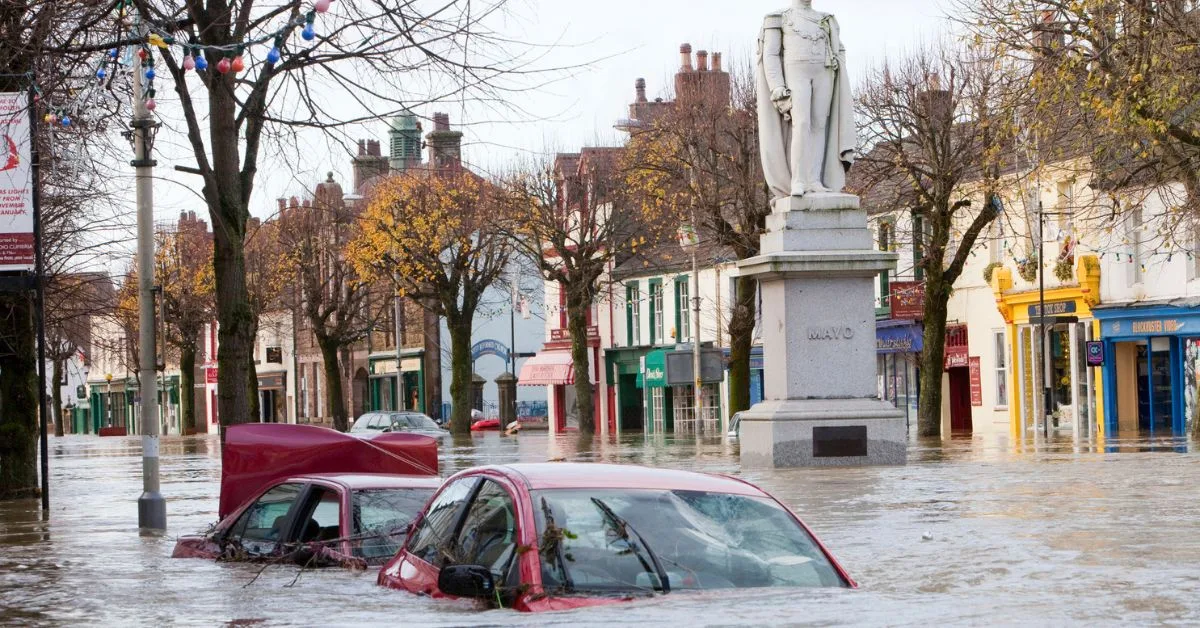
Achieving water resilient cities is a significant and urgent challenge given the dual drivers of global climate change and urbanisation. Between July 2023 and April 2025, scientists continuously recorded global temperatures 1.5°C above pre-industrial levels (with the brief exception of July 2024). It is now clear that we must prepare for a 3 °C-warmed world by 2050, which has significant impacts on extreme weather. Climate change impacts are felt acutely through water, significantly changing the hydrological cycle and resulting in more severe floods and droughts. Alongside this growing threat is rapid urbanisation. The UN is projecting that 68 per cent of the global population will live in a city by 2050. This is an increase from 55 per cent in current times and indicating an intensification of the role cities will play in the future of the planet.
Water security and climate action
Currently, urban areas represent only two per cent of the Earth’s land surface but are responsible for 75 per cent of the material resource use globally. This concentration of people and activities require water resources to survive. However, at the same time makes cities particularly vulnerable when they are exposed to natural hazards (such as floods, hurricanes, cyclones, or drought) and poses a distinct challenge for future water security.
Water security for communities requires sustainable access to adequate quantities of acceptable quality water and protection against water-borne pollution and water-related disaster. This should be delivered through an appropriate mix of water supply, management and adaptation approaches that support future resilience.
Concurrent issues
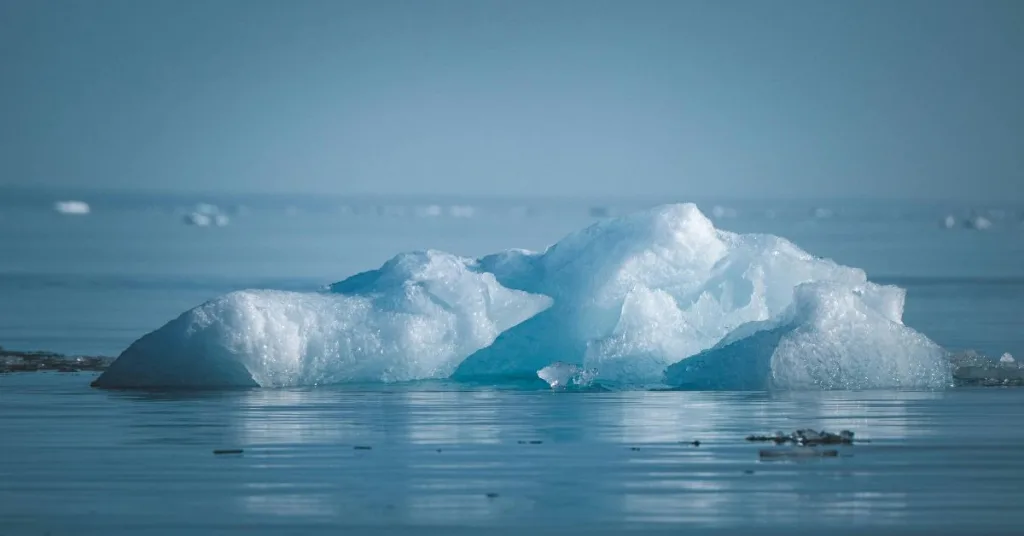
It is clear that, globally, we are failing to deliver water security for cities arising from several concurrent issues. Climate change is changing the quantity and timing of water distribution. Increased temperatures result in drier summers, causing prolonged drought periods, interrupting supplies and increasing the volume of water vapour held in the air, resulting in more extreme precipitation patterns and subsequent flooding. Our recent work has developed methods to attribute climate change influence on river flows and explore trends in climate change to UK water resources1, as well as implications for future water resources at the UK and global scale.
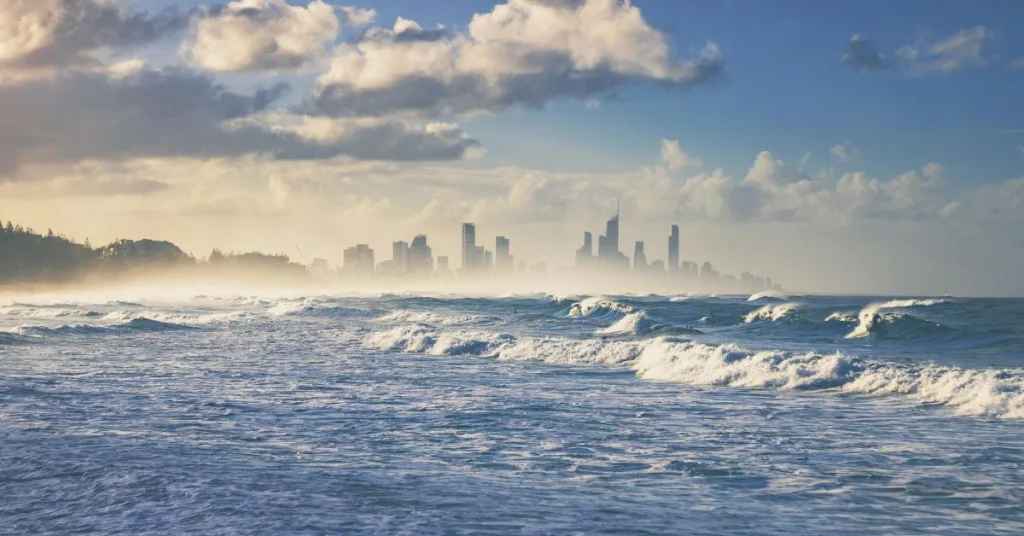
Such findings highlight the urgency of this challenge for future adaption. Sea levels are expected to rise due to climate change. This will increase the exposure and vulnerability of infrastructure near the coasts as well as intensifying seawater intrusion to aquifers, compromising water quality for supplies. In addition to this, ageing water infrastructure, such as the Victorian sewage systems of the UK, which was designed for lower flows and fewer people, is being overwhelmed more frequently, resulting in urban flooding and increased pollution of waterways. At the same time, conventional drinking water treatment systems are struggling to deal with emerging pollutants such as microplastics, which place our supplies and waterways at risk and require novel methods to clean our water.
Solutions for climate action
Opportunities to address these challenges exist; from novel technology to nature-based solutions. Adaptation to climate change requires technical and engineering strategies to manage water throughout river catchments. Nature-based solutions, such as water interception and retention by forests, wetlands and working with land managers, for example, to improve soil, provide a real potential to re-conceptualise existing engineering practices and technologies to address current water security challenges, and increase the resilience of UK communities to climate change.2
Novel technologies which use nature-inspired materials (adsorbents, membrane filters) are promising for removing emerging pollutants from water. Recent research is exploring the potential of decentralised water systems for rural communities that employ biofilters requiring minimal energy input to deliver drinking water to off-grid households. These promising techniques offer hope in the face of the growing challenge. However, they must be scaled up and delivered at pace if we are to achieve water resilience for future cities.

Interconnected systems
As we use the lessons learned at COP 30, with explicit reference to water management within its action agenda, countries can use this as an implementation engine for scaling sustainable solutions. However, there is still a way to go. The action agenda broke up challenges into themes. These themes reinforce the silos which exist in society, and which prevent systemic change at the larger scale.
If we are to scale up on promising novel technology and sustainable solutions which can revolutionise water management to deliver true water security, we must recognise the interconnectedness of systems. At the University we have developed a novel technique which can explicitly represent interconnected urban systems and allow cascading impacts to be tracked through linked systems quantitatively to support holistic understanding.3
Without systemic change across all systems, starting with financial systems, we are unlikely to achieve the pace of adaptation which is required to deliver true water security. By transforming our financial systems and directing sources of finance towards green, sustainable and scalable adaptation measures, we can deliver water security within cities and beyond.
Image credits: Featured image by Ashley Cooper; icebergs by Francesco Ungaro; ocean with city in background by Marcus Ireland and forest by Emilio Sánchez Hernández


