
The UN climate summit in Belém, Brazil (COP 30), prioritised action. Instead of striving for new targets or pledges, the focus was on implementation of commitments already made. The COP Presidency identified six ‘action agendas’ which should enable states to meet goals set at the Paris climate summit 10 years ago. One of the broadest agendas is Pillar 5: Fostering Human and Social Development.
Unlike the agendas around specific carbon emission reductions or finance commitments, this axis is more far-reaching and ambitious. In broadest terms, it aims to ensure human and social development is integrated into climate action. More specifically, this axis calls for:1 ‘reducing the impacts of poverty and hunger, promoting resilient communities, and ensuring fair transitions’. A core aim here – introduced but not developed in earlier COPs – is to create an equitable, ‘just’ transition to a climate-safe world.

COP 30 synergies
That ambition is necessary. As climate justice scholars here at Edinburgh have demonstrated,2 a more holistic agenda – one that takes seriously equity and just transitions – is absolutely core to creating the systemic change required for meaningful global action. At first glance, the theme’s aim appears uncontentious: who could object to action designed to foster human and social development? But this axis is also the most vulnerable to political neglect and may thus prove the most difficult to achieve.
This axis focuses on synergies between climate action and sustainable development. The assumption behind this link reaches back to the original 1992 Earth Summit also held in Brazil. There, signatories agreed that environmental destruction and climate change are inextricably linked to poverty and inequality. Put another way: climate change cannot be tackled without addressing human and social development.
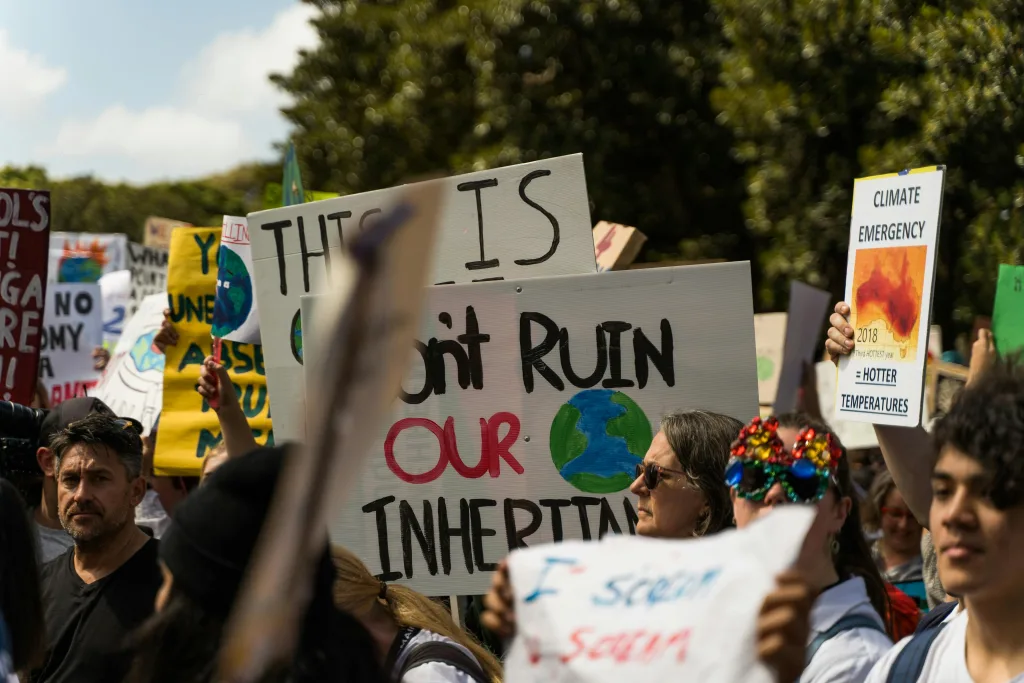
Collective action at COP 30
The Brazilian Presidency takes this aim seriously and prioritised it in the organisation, participation and agenda of this COP summit. Indigenous communities were far more present than in previous COPs. Knowledge from those communities has shaped the COP Presidency’s distinct approach to action, 3including its central calls for a Global Mutirão – collective mobilisation and effort across society. Moving beyond a reliance on state leaders and formal parties, the Presidency calls on a range of civil society, businesses and other sub-state actors to mobilise delivery of country-level targets. This emphasis is clever because it relies less on states reaching international consensus on major action – an aim this COP was unlikely to achieve.
However, reliance on non-state actors is not a panacea. Business engagement is key, but not all businesses want the same thing. Belém will did not reverse the trend whereby fossil fuel firms are better represented than civil society or developing nations themselves. The Belém approach may also put an undue burden on civil society. As my political analysis outlines,4 public engagement in climate has diminished in recent years. The reasons are many – including the distraction of wars and shifting economic priorities. Civil society also faced a more immediate obstacle in Belém – an acute shortage of affordable accommodation. That lack of presence and participation matters – without it leaders will find it easier to offer ‘wellbeing platitudes’ rather than specific action.
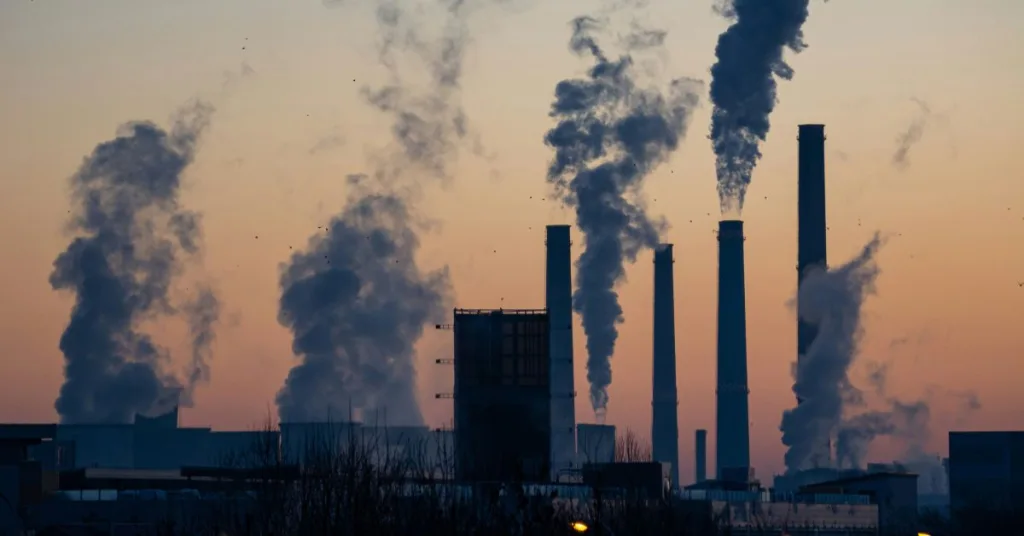
Transition
A further challenge lies in the very core of the axis – reconciling climate action and justice. When taken seriously, the emphasis on just transition is a crucial way to ensure climate action is not seen as a counter to cost of living protection, wellbeing, or human thriving. The boosting of a green economy and a reduction in pollution should result in safer, cleaner, more secure jobs, lower energy costs and healthier environments. The contrast with a fossil-fuelled polluting future is massive. However, as research5 from our network of energy and sustainability scholars confirms, just transitions are never quick. The realisation of synergies between equity, health and climate action requires a longer-term perspective. It is often abandoned when elected governments face the powerful discourse of fossil fuel firms (and allied politicians) insisting climate action threatens human progress and ‘ordinary folk’.
No one summit can solve this larger narrative battle. But an important step is ensuring justice, health, wellbeing (the real bonuses of climate action!) are on the agenda and not just flogged off by empty words. The Just Transition Working Group highlighted in the 2025 Bonn preparatory summit is one example, even if its remit remains vague and open to interpretation. Research by Edinburgh scholars6 demonstrates the Just Transition Commission in Scotland could provide lessons on how to turn words into action. It suggests calls for something like a Belém Action Mechanism7 to ‘accelerate, consolidate, and achieve a holistic just transition within and between countries’ could be a small but significant action.
Conclusion
When it comes to development and just transition, small actions will help. It is critical to maintain the focus on this important axis. Addressing climate change is about carbon reduction and finance metrics – but not only. Justice, wellbeing, and human development remain key.
- 5. Fostering Human and Social Development ↩︎
- What Climate Justice Means And Why We Should Care ↩︎
- Burkinidi, minka, and balu wala: Learn about the many versions of COP30’s ‘Global Mutirão’ ↩︎
- Climate Change Politics in the Age of Trump 2.0 ↩︎
- Measuring and modelling the state of the environment and its sustainability ↩︎
- Centering People: Community-Led ‘Just’ Transition Projects at the University of Edinburgh ↩︎
- What Climate Justice Means And Why We Should Care ↩︎
Image credits: Featured image by Karen Yue; Belém by Gabriella Ally and protest by Max Ravier