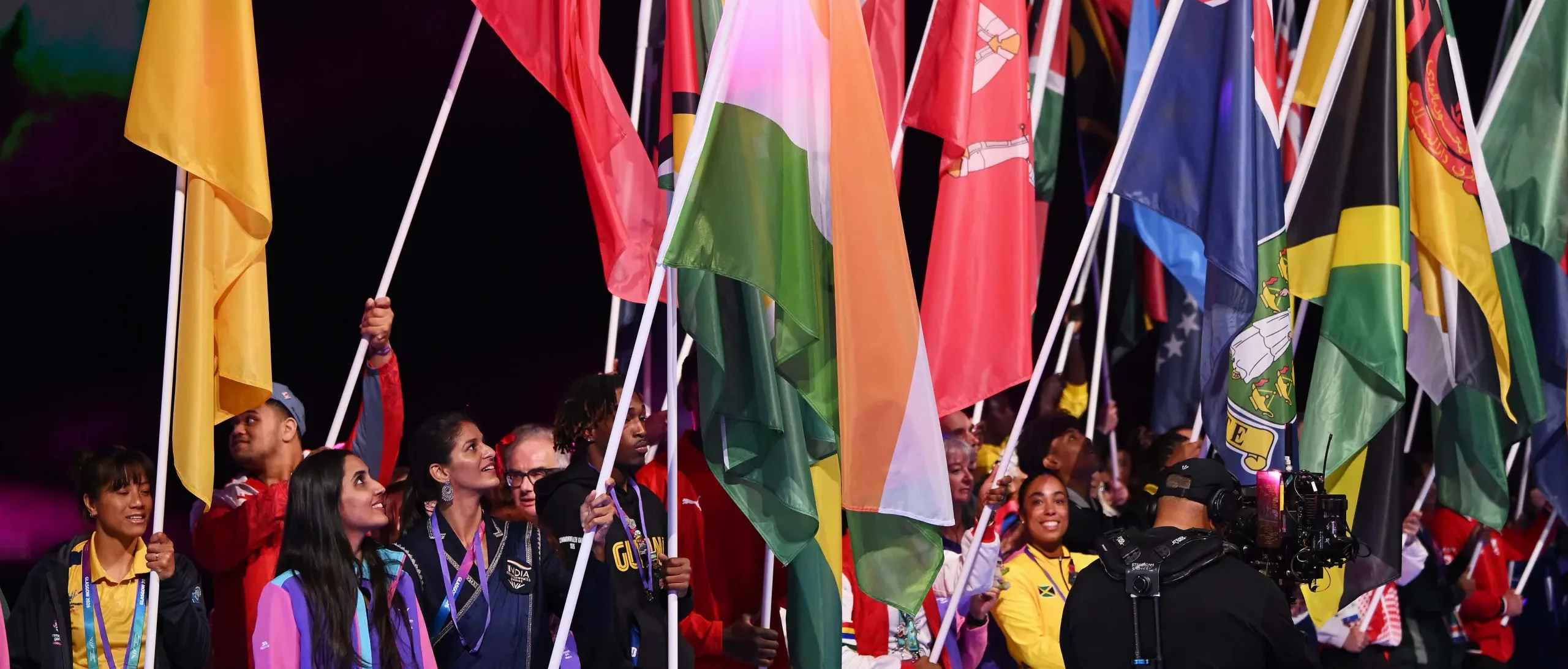
Over the past few weeks media attention has rightly focused on the Commonwealth Games. But on the sidelines of the sporting action – in the corridors, in the cafes, in the meeting halls and in the spectator stands – deep work, serious work, was undertaken by the ‘middle and small powers’ drawing together. Without the distraction of super powers in the room.
This is not a one-off event, but a quadrennial one. A reflection of the fact that the Commonwealth Games, uniquely for a multi-sport event, is situated within the Commonwealth of Nations. In addition to being an inspirational sporting spectacle, the Games are a representation of its values and a vehicle for its mission: to promote world peace, support sustainable development, and advance democracy and human rights.
The time to act is now
Never has this quiet, diligent, commitment been more important than now, as an old international order is crumbling. We know that connections born of friendship have a different ‘tone’ than those born in conflict. There is trust, integrity, respect and shared values that creates flex and endurance.
When deciding the value and impact of the Commonwealth Games, this shadow event of sociopolitical exchange is overlooked. Diplomatic debates and activated partnerships do not show up in audit reports. Yet, viewed from space, the 2.7 billion peoples of the Commonwealth of Nations create a human network, a river, that reaches around the globe, flowing through tributaries into every corner of the world. The King’s Relay Batons were delivered at the opening ceremony from each of the 74 nations and territories. This was a visual glimpse of the reach of the community. What messages will be relayed back to these communities when the Games are done?
Who else could or should be playing a part in these out-of-the-limelight exchanges? These meetings have their own momentum and legacy value. In the absence of the commodification of sport for commercial profit (more recognisable in some other mega sporting events), is there a particular role for financial services? Is there a different path to impact?
Compassionate finance
Over the past months, at the Compassion in Financial Services Hub here at Edinburgh, we have been working with partners to better understand the relationship between social impact, commercial responsibilities to shareholders, and the importance of fulfilling the duties of a director. This includes the duty to consider likely, long-term consequences of any decision, as well as addressing impacts on the community and the environment, and maintaining a reputation for high standards of business conduct. In short, we are working with partners who are ‘going for gold’. Those elevating what we can achieve beyond what we simply must do.
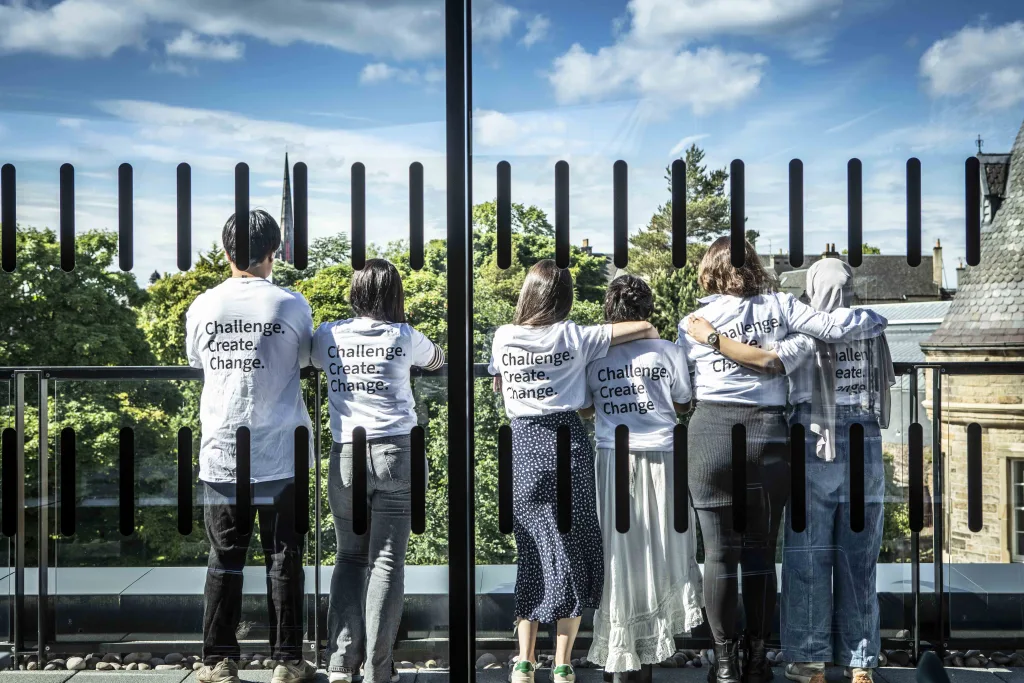
For anyone interested in investing in compassion, this is the moment. An inflection point. As spectators we draw inspiration from the extraordinary feats of ordinary people in the field of competition. What can be done in return? How can we nudge the trajectory of the UK and all the Commonwealth nations towards prosperity? And how do we achieve stability when the world is in crisis? Can we be champions for our shared future?
Compassion is noticing where inequality exists and actively pursuing solutions. Its about bringing financial equality and empowerment to the table in these many side exchange moments of the Games. Can we activate the bridge between sporting excellence and the life-changing potential that being a member of the Commonwealth of Nations can bring? Carrying the baton for financial literacy, illuminating pathways for financial security, and offering a space for co-design of place-based financial solutions, will open new doors to financial freedom and the many life-changing freedoms that flow from that.
Co-designing the future
Imagine a financial hackathon for young people looking at innovative ideas to tackle some of the shared urgent, global, financial challenges. More than 60 per cent of the Commonwealths’ people are under 30. In July 2026 more than 40 young leaders gathered in London for the Commonwealth Leadership Series. They explored what leadership could look like in a rapidly changing world. These future leaders are building businesses, responding to climate shocks, and using digital tools to innovate solutions to local problems. Could a partnership to design for inclusion, between the financial services sector and future Commonwealth leaders, using sport as a vehicle for increased access and greater understanding of finances allow a new form of scalability?
Could the financial sector do more to sponsor a Commonwealth Games refugee team in recognition of the importance of everyone having a seat at the table? Imagine co-designing a financial product for Commonwealth athletes in recognition of their inspirational service to our community. It would also recognise the very short lifespan of a sporting career, turning acumen, boldness, drive, and teamwork into further tangible outcomes.
The pursuit of success
The Commonwealth Games are about action. They’re about the intense commitment to the pursuit of excellence. The Games are the coming together in competition and camaraderie to finding better outcomes. They’re about achieving personal bests and working as part of a team to overcome seemingly insurmountable odds. These ‘Friendly Games’ were not passive or casual. They were Games where competition occurs in the context of mutual respect. Respect for sacrifice and shared adversity in the pursuit of success. They show compassion-in-action. The financial services sector could be part of this incredible transformational experience. It could also purposefully and intentionally, behind-the-scenes of the sporting spectacle, (far from the front line selling pieces of it) be changing the arc of history.
Discover more
Image credit: Closing ceremony of the 2026 Commonwealth Games in Glasgow – Mattia Ozbot/Getty Images
Corinne Reid is a former Team Psychologist for the Australian Olympic team and was Professor of Psychological Therapies at the University until 2019.